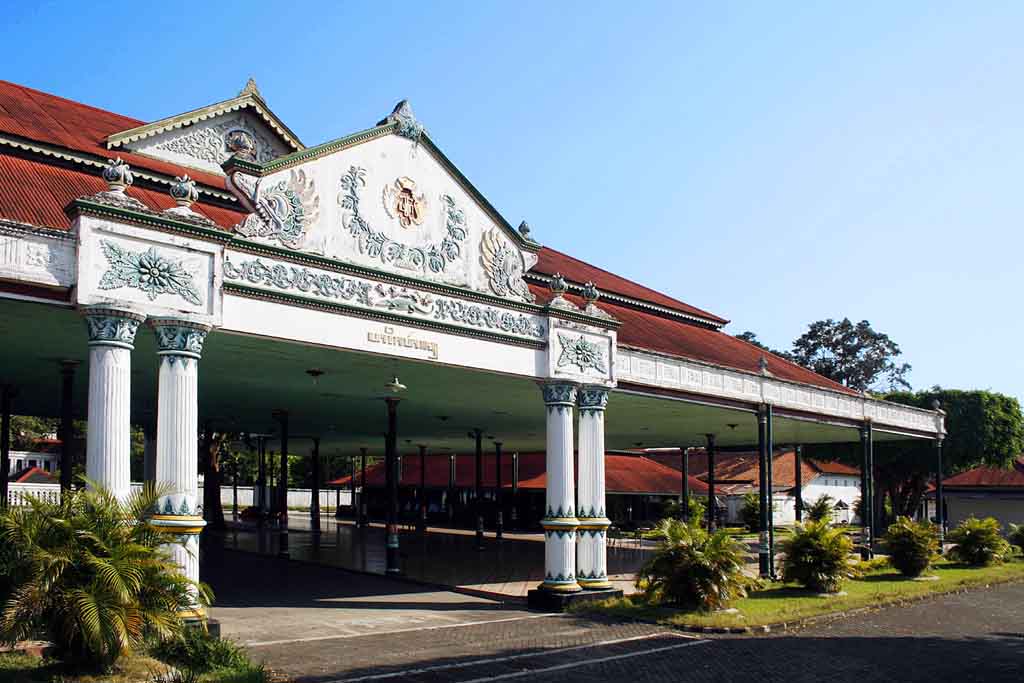
Yogyakarta Overview
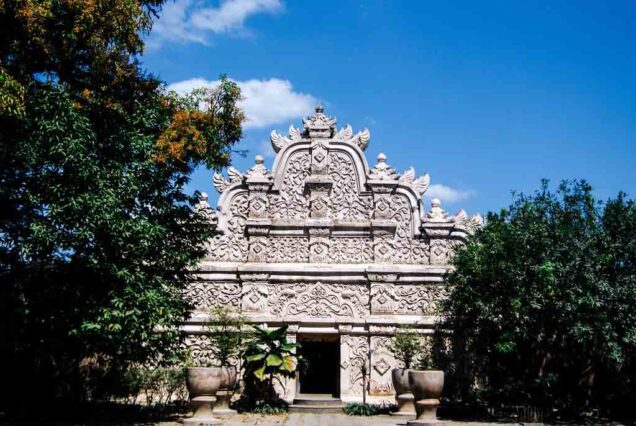
Yogyakarta (Jogja) is the cultural capital of Java, known for its heritage temples, royal traditions, and vibrant street life. Highlights include the Sultan’s Palace (Kraton), Prambanan Temple, and Malioboro Street, where visitors can shop for batik, handicrafts, and taste local dishes like gudeg. It is also the perfect base to explore surrounding regions with diverse landscapes and attractions.
Gunung Kidul Travel Guide
Located southeast of Yogyakarta, Gunung Kidul is famous for its karst hills, caves, and pristine beaches.
- Beaches: Indrayanti, Timang, Drini, and Pok Tunggal offer white sand and clear waters. Timang Beach is known for its rope bridge adventure.
- Caves: Goa Pindul (tubing through underground rivers) and Goa Jomblang (vertical cave with “heavenly light”).
- Nature Spots: Nglanggeran Ancient Volcano for hiking, Sri Gethuk Waterfall for swimming, and Heha Sky View for panoramic photos.
- Tips: Best visited in the dry season (April–October). Bring swimwear, sturdy shoes, and cash for local facilities.
Magelang Travel Guide
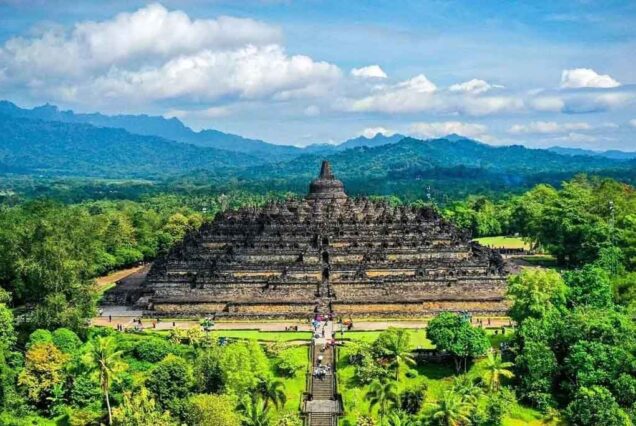
Northwest of Yogyakarta, Magelang is home to the world‑famous Borobudur Temple, the largest Buddhist monument.
- Borobudur: Sunrise visits are highly recommended for breathtaking views and fewer crowds.
- Other Temples: Mendut and Pawon nearby complement Borobudur’s history.
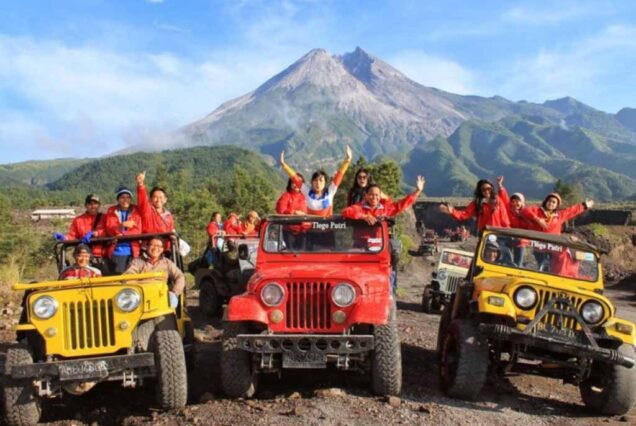
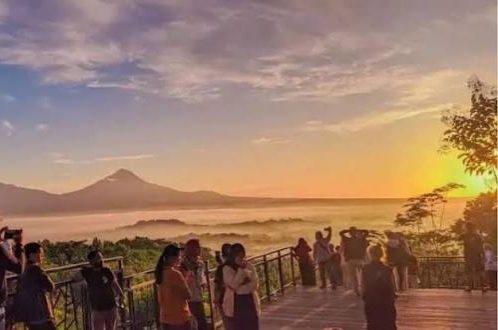
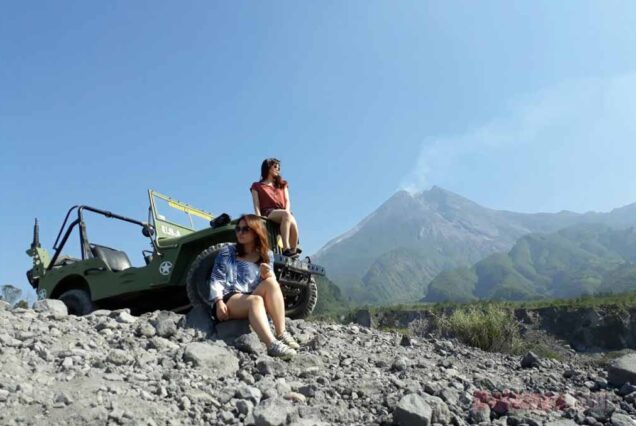
- Nature & Views: Ketep Pass offers panoramas of Mount Merapi and Mount Merbabu. Rural villages like “Nepal van Java” showcase scenic landscapes.
- Activities: Cycling tours, village homestays, and local cuisine such as Kupat Tahu.
- Tips: Arrive early, wear modest clothing, and prepare for warm daytime temperatures.
Dieng Plateau (Wonosobo) Travel Guide
Situated in Wonosobo, Central Java, the Dieng Plateau is a highland region at 2,000 meters above sea level, offering cool weather and mystical landscapes.
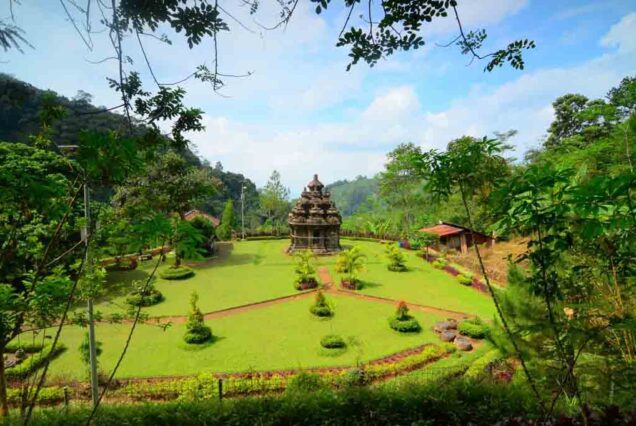
- Natural Wonders: Telaga Warna (Color Lake), Sikidang Crater, and Arjuna Temple complex.
- Cultural Highlights: Dieng Culture Festival (August) with traditional rituals and the unique “rambut gimbal” ceremony.
- Scenic Views: Sunrise at Bukit Sikunir is legendary, with golden light illuminating the mountains.
- Tips: Pack warm clothes, as temperatures can drop to single digits. Best explored with local transport due to winding roads.
Solo (Surakarta) Travel Guide
Located east of Yogyakarta, Solo (Surakarta) is another royal city with deep cultural roots.
- Royal Heritage: The Keraton Surakarta and Mangkunegaran Palace showcase Javanese court traditions, dance, and gamelan music.
- Batik Center: Solo is renowned for batik production, with Kampung Batik Laweyan and Kauman offering workshops and shopping.
- Markets & Culinary: Pasar Klewer for textiles, Triwindu Market for antiques, and local dishes like nasi liwet and tengkleng.
- Performances: Wayang kulit (shadow puppetry) and traditional dance are regularly staged.
- Tips: Solo is less crowded than Yogyakarta, making it ideal for travelers seeking authentic cultural immersion.
Practical Travel Notes
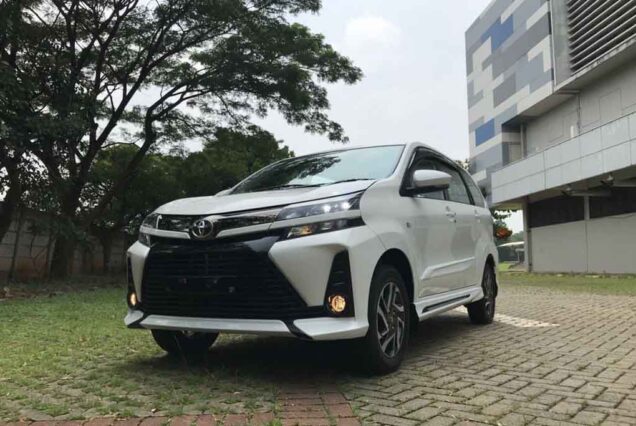
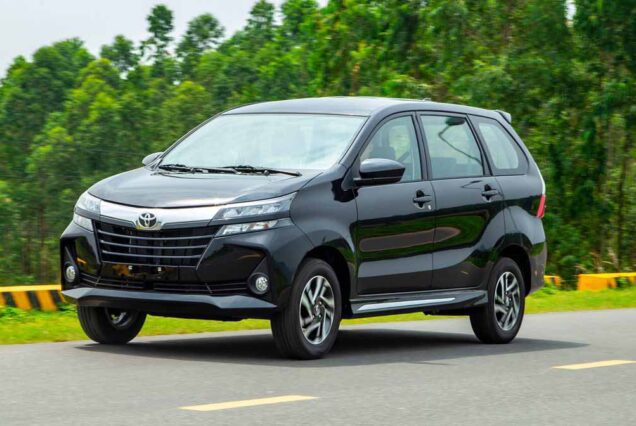
- Transport: Yogyakarta is the main hub; Gunung Kidul, Magelang, Dieng, and Solo are reachable by car (2–4 hours).
- Best Time to Visit: Dry season (April–October) for outdoor activities; Dieng is especially stunning in August during the festival.
- Cultural Etiquette: Respect temple dress codes, greet locals politely, and conserve nature at caves, beaches, and highlands.
Yogyakarta Tours